UW and Mexico
UW and Mexico
UW–Madison’s relationship with Mexico is both global and distinctly Wisconsin.
Built through education, research, alumni, and institutional partnerships, it connects the university with a country that holds significant cultural, economic, and community ties to the state.
Together, these many points of connection strengthen UW–Madison’s global engagement while bringing the benefits of international collaboration home to Wisconsin.
Explore some of the connections between UW–Madison and Mexico.
Featured Country Initiative
Mexico is one of six countries selected for the Featured Country Initiative (FCI). The FCI celebrates the university’s international collaborations in specific locations around the globe. These collaborations include joint research and publications, student and faculty exchanges, community engagement, and creative endeavors.
By the Numbers
61
Students enrolled from Mexico during AY 25-26
99
UW-Madison faculty and staff are known to be from Mexico
2,400+
Students enrolled in Spanish language courses
68
Registered alumni living in Mexico
Latin American, Caribbean and Iberian Studies Program
Founded in 1965, the Latin American, Caribbean, and Iberian Studies Program (LACIS) offers a variety of academic undergraduate and graduate programs. Located within the Institute for Regional and International Studies – a unit of the International Division – their interdisciplinary approach extends beyond the classroom. They provide K-12 outreach, local community collaboration, fellowship opportunities, and more. Fostering a diverse and academically strong environment, LACIS students can also learn Spanish, Portuguese, Yucatec Maya, and Ecuadorian Quichua.
The Latin American, Caribbean and Iberian Studies Program is the focal point connecting the region to the University of Wisconsin-Madison and is dedicated to all related aspects of research, education, and outreach.
Featured Stories
research
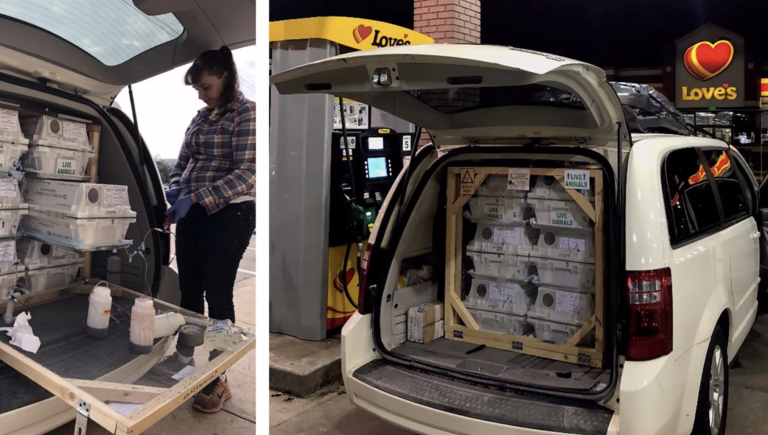
Living with Vampire Bats
Elsa Cardenas Canales is pioneering a new way to manage rabies by combining laboratory and field research to vaccinate the bats themselves. While there are over 1,400 species of bats worldwide, only three are “vampires” that feed exclusively on blood, and Cardenas focuses her work on Desmodus rotundus, the common vampire bat.
Community
Puppets, Masks, and Movement: LACIS Hosts Visionary Spring Artists‑in‑Residence
Alejandro Jimenez Molina and Carolyn Kallenborn hosted workshops, puppet shows, and presentations during their residency, engaging with individuals of all ages.
faculty
Global Health Experience: Building Bridges for Child Protection in Mexico
Norell Rosado, MD was an invited speaker at the National Confederation of Pediatricians of Mexico conference, where he led a workshop on sentinel injuries in infants and a presentation on the epigenetics of child abuse.
Students
CFHI Global Health Internships in Mexico
Participants in this five-week program engage in clinical rotations in the city of Oaxaca, learning about rural and community health in this region of Mexico, while also engaging in Spanish language coursework.
industry
Three Questions with Luis Jiménez-Maroto
Whether you’re crafting a gourmet charcuterie board or spreading cream cheese on your morning bagel, Luis Jiménez-Maroto’s work is the reason beloved cheeses are a tasty — and consistent — part of your experience.
Mexico Connections
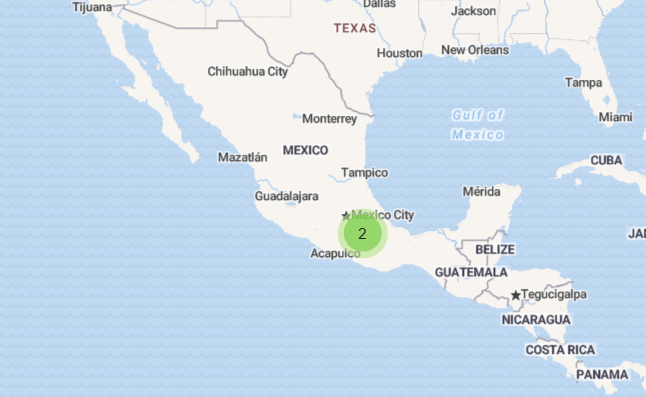
The Wisconsin Directory of Global Engagement (WiDGE) captures international activity across the University of Wisconsin–Madison campus. This directory currently includes 4 formally signed, active agreements between UW-Madison and institutions in Mexico.